A reflective piece by Jane Jackson
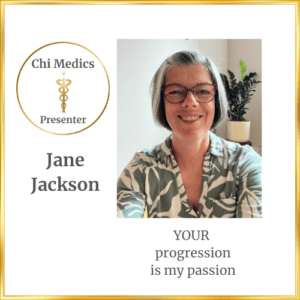
Chi Medics Level 6 Practitioner & Presenter, Retired RGN, Dip Comp. Therapies, Psychological Trauma Informed Diploma, Reflexologist, Reiki Master MFHT
Burnout isn’t a personal failure. It’s often what happens when good people are asked to carry more than any nervous system can hold.
In healthcare, many of us learned to override our limits long before we questioned them.
To work through pain, through exhaustion, through silence. To absorb the emotional weight of others for a the system with no space for it.
It’s no surprise that so many nurses, midwives, radiographers, paramedics, AHPs and carers eventually migrate toward complementary care.
Not to escape — but to work in a way that feels human.
Regulated.
Real.
What I’ve learned through Chi Medics is this:
The body of the practitioner matters just as much as the body of the client. When the practitioner stops carrying what was never theirs, care becomes cleaner — and change goes deeper.
The Early Lessons: Carrying as a Reflex
In my NHS years, “caring” often meant carrying:
• carrying the emotions people couldn’t voice
• carrying responsibility for outcomes no one practitioner could control
• carrying the unspoken expectation to cope, no matter the cost
None of this is written in policy.
It’s learned in corridors, handovers, and quiet rooms where there’s no time to feel anything until later — if at all.
Over time, the body adapts.
Tightens.
Armours.
Braces.
The nervous system becomes fluent in vigilance.
You become good at keeping going, even when your own system is asking you to stop.
The Turning Point: When the Body Speaks First
Before I ever changed how I worked, my body changed first.
Pain.
Nerve issues.
A system pushed beyond what regulation can hold.
Those experiences didn’t just slow me down — they made me listen.
I began to understand that capacity isn’t a moral quality.
It’s physiological.
When the nervous system is stretched past its window too often, something gives.
And when caring becomes carrying, it’s always the practitioner’s body that takes the hit first.
Finding Chi Medics: A Return to Precision and Ease
Chi Medics didn’t teach me to “do less.”
It showed me that the body responds better when the practitioner is regulated.
It gave structure where I once had strain.
Clarity where I once had overload.
A way of working that respected both sides of the treatment — client and practitioner.
I no longer chase symptoms.
I no longer try to fix everything in one session.
I no longer leave the room carrying stories that don’t belong to me.
Instead, I work one energy at a time.
One clear pattern.
One clean piece of information.
And the body responds — not because the work is forceful, but because it’s coherent.
Clients fall asleep now.
Breath deepens.
Shoulders soften.
The whole system reorganises without being pushed.
Holding Space Without Absorbing It
There is a difference between:
• empathy and absorbency
• presence and over-functioning
• support and rescuing
I didn’t learn these distinctions in my early career.
I learned them through practice — reinforced through the quiet discipline that Chi Medics demands.
Holding space is not passive.
It’s not “stepping back.”
It’s skilled, embodied containment.
It means:
• staying in my lane
• allowing the client’s body to speak in its own time
• not leaking into their emotional load
• keeping my system steady so theirs can follow
When the practitioner is regulated, the whole room feels different. Clients often comment on it without knowing why
A New Way of Working — One That Doesn’t Cost the Practitioner

Head to Toe Healing
My clinic looks different now:
• fewer sessions per day
• clean transitions between clients
• no rushing
• no forced empathy
• no carrying stories home
• work paced with my body, not against it
This isn’t indulgence.
It’s good practice.
When the practitioner is steady, the work is cleaner and more effective.
When the practitioner is dysregulated, even the most skilled techniques scatter.
Care does not require self-sacrifice.
Precision does not require force.
Presence does not require depletion.
There is a middle way.
And it’s the only way that allows practitioners to stay in this work long enough to love it
How This Shapes My Teaching
As a Chi Medics Presenter, I teach the way I practise:
Calm.
Precise.
Body-led.
I help therapists feel what they’re doing, not memorise steps.
Everything is taught in small, absorbable pieces — with time to watch, pause, sense, and integrate.
Energy is translated through movement, direction, and flow.
Never theory for theory’s sake.
Always grounded in what can be felt under the hands.
My aim is simple: to help practitioners recognise real responses in the body and apply the Chi Medics approach with steadiness, accuracy, and ease.
Not carrying.
Not over-functioning.
Not burning out.
For Therapists: If Any of This Resonates
If you’ve ever felt depleted by caring work —
if you’ve ever carried more than your system could hold —
if you’ve ever needed a way to work that doesn’t cost you —
this is the path I wish I’d found sooner.
The next Chi Medics Essentials – Via the Feet
takes place in Ripon this June.

It’s practical.
It’s grounded.
It’s clear.
And it’s a way of working that protects both the client and the practitioner.
👉 Learn more / book:
The Chi Medics Essentials Course
You may also be interested in:

👉 Learn more / book: Energy and the Spine Course
For Clients Seeking Treatment
If you’re looking for a style of reflexology that respects the body — not pushes it — you can find me in Ripon. Use the link below to book your appointment

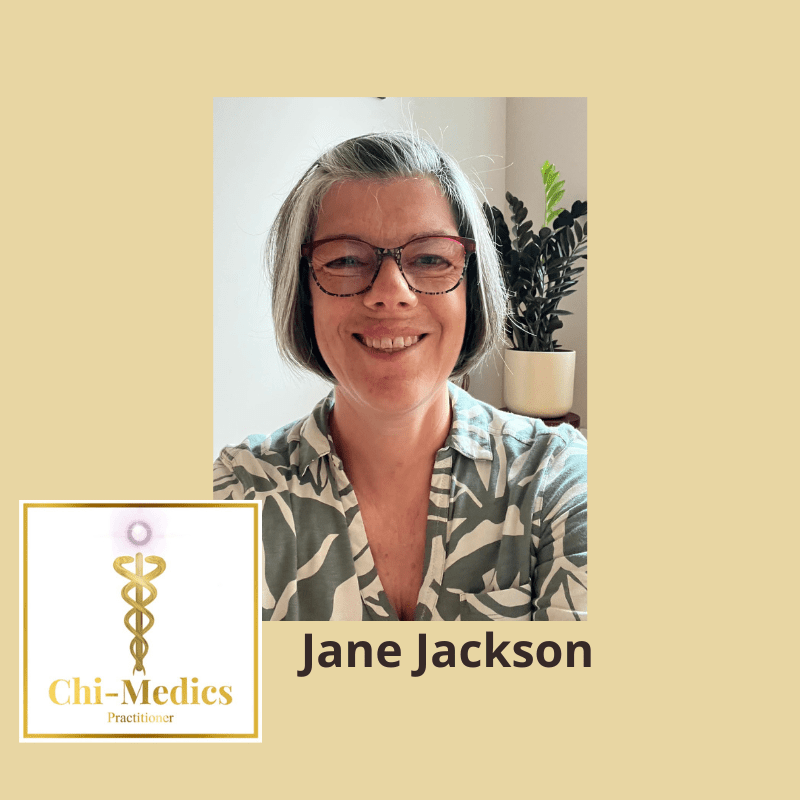
Balance through the feet : care for the whole.

Thank you for submitting this mindful blog Jane, we are sure that it resonates with many people. It is a joy to see how your journey as a Chi Medics practitioner has brought so much clarity and understanding. We certainly value you as a part of the team and know that your course participants are in great hands!
Thank you Sharon Windle and Moss Arnold
